
Foundations That Support Long-Term Structural Integrity
Concrete Foundation in Antioch for remodels, additions, and new construction requiring durable structural support
Concrete foundation work creates the base that prevents settling, cracking, and structural movement in home additions, patios, enclosures, and major renovation projects. RAM Remodeling Services Inc handles foundation preparation and installation designed for long-term durability and stability, integrated with additions and structural expansions throughout Antioch. The process includes site evaluation to identify soil conditions, drainage concerns, and load requirements before concrete is poured.
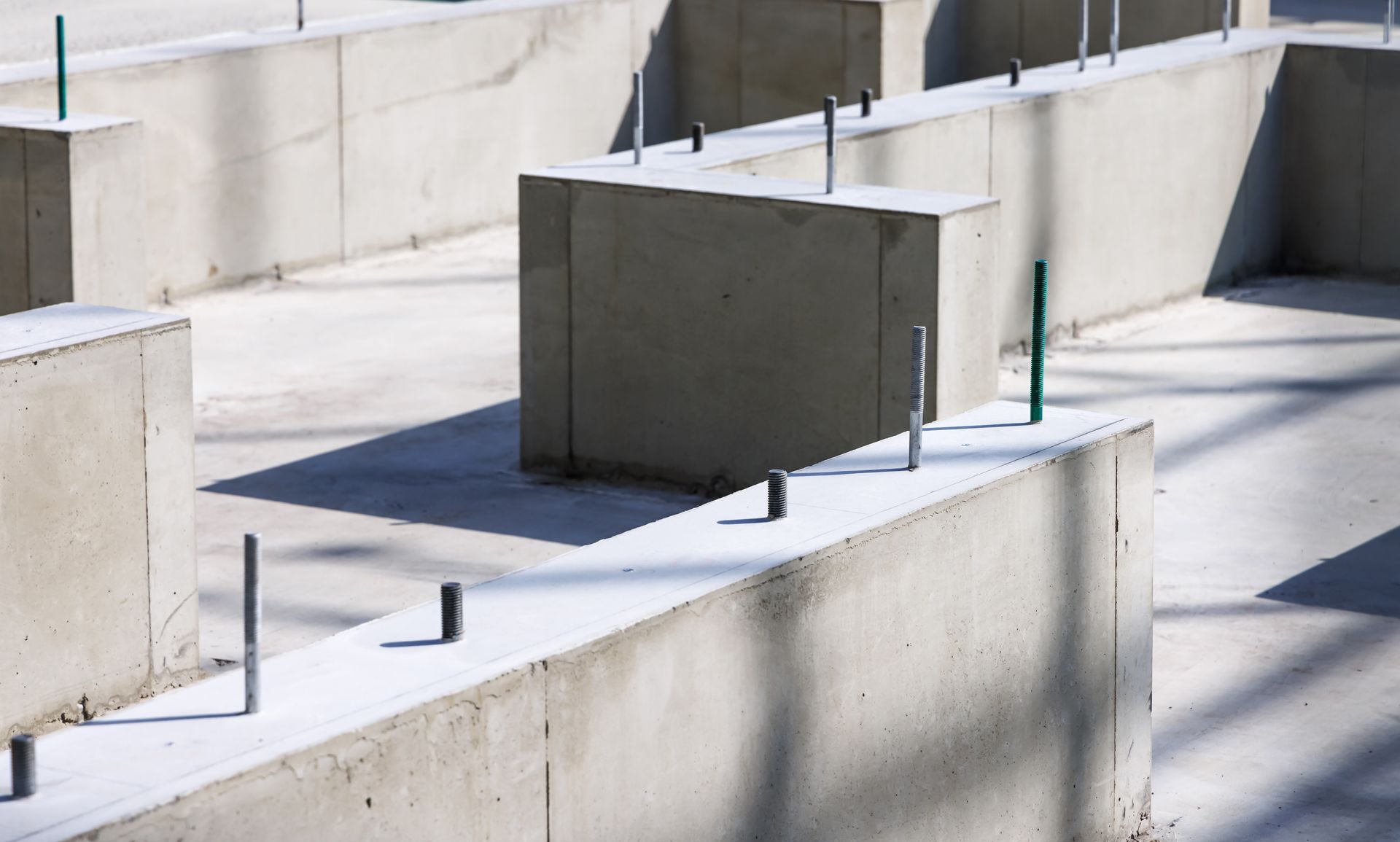
Foundation installation begins with excavation to reach stable soil, followed by compacted gravel base layers that provide drainage and reduce shifting. Forms are built to the dimensions required by the project, rebar is placed and tied to meet load specifications, and concrete is poured in a continuous process to avoid cold joints that weaken the slab. Curing time depends on weather, with cooler temperatures in Antioch extending the timeline before framing can begin.
Request an estimate to evaluate your site conditions and determine the foundation type suited to your project scope.
Why Foundation Preparation Matters for Additions
Soil composition affects how much the foundation will settle over time, and clay-heavy soils in some areas expand when wet and contract when dry, which creates movement that cracks slabs if the base isn't properly compacted. Drainage planning ensures water flows away from the foundation rather than pooling against it, which prevents erosion under the slab and hydrostatic pressure against below-grade walls. Rebar placement follows engineering standards based on the weight the foundation will support, with closer spacing required for multi-story additions or heavy roof loads.
After the foundation cures and framing begins, you'll notice the slab remains level without cracks radiating from corners, which indicates proper base preparation and adequate thickness. Floors built over the foundation don't develop squeaks or bounce, and walls framed on the slab stay plumb without shifting. Doors and windows operate smoothly because the structure isn't settling unevenly, and exterior finishes applied over foundation walls remain intact without cracking.
Foundation work supports patios, enclosures, and structural expansions as part of full-service builds coordinated with framing and roofing. Precise preparation and installation meet project requirements and account for local soil conditions, setback regulations, and connection points where new foundations tie into existing structures. Free estimates clarify what site work is needed before concrete can be poured and whether drainage improvements should be completed simultaneously.
What Property Owners Usually Ask
Foundation projects involve technical and logistical considerations that affect both cost and construction sequencing.
What site preparation happens before foundation work?
Vegetation and topsoil are removed to expose stable soil, and the area is graded to establish proper drainage slope. Utility lines are marked to avoid damage during excavation, and soil compaction is tested to ensure the base won't settle excessively after concrete is poured.
How does foundation work integrate with home additions in Antioch?
New foundations are poured adjacent to existing structures and connected with anchor bolts or rebar that tie the old and new concrete together. This prevents differential movement that would crack walls or ceilings where the addition meets the original home.
When can framing begin after the foundation is poured?
Concrete must cure for several days before it can support the weight of framing lumber and workers, with exact timing depending on temperature and humidity. Cooler weather in winter months extends curing time, while summer heat accelerates it.
Why do some foundations crack shortly after installation?
Insufficient base compaction, inadequate rebar placement, or pouring concrete during temperature extremes can cause cracking. Proper site preparation and following mixing and curing protocols reduce these risks significantly.
What distinguishes foundation work for patios versus room additions?
Patio slabs are typically thinner and reinforced with wire mesh rather than rebar, since they support lighter loads. Room addition foundations require greater thickness and rebar spacing to handle wall and roof loads, and they're often tied into the existing home's foundation system.
RAM Remodeling Services Inc offers reliable workmanship backed by extensive construction experience and provides free estimates that assess your project scope and site conditions. Contact the office to discuss foundation requirements for your upcoming remodel or addition.